About ANRE
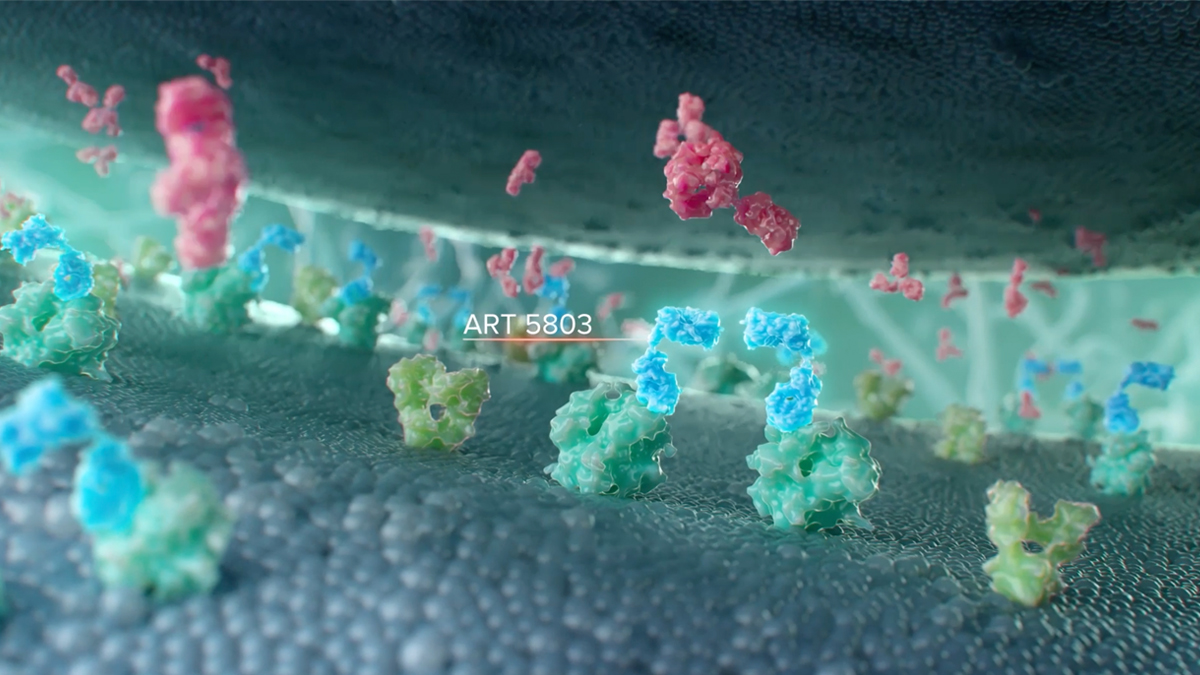
Anti-NMDA receptor encephalitis (ANRE) is a rare, potentially lethal, poorly managed, and often misdiagnosed neurological disease. ANRE is caused by pathogenic autoantibodies that bind to and crosslink NMDA receptors in the brain, leading to receptor internalization and synaptic dysfunction. The result is a range of debilitating neuropsychiatric symptoms including psychiatric and behavioral alterations, cognitive decline, seizures, coma, and diminished autonomic function. A significant percentage of ANRE patients are pediatric, where NMDA receptor-specific autoantibodies can also result in neurological development deficits. There are no approved therapies for this disease, and current treatments rely on broad immunosuppressive agents, which are associated with delayed efficacy and significant side effects.